
October 07, 2026



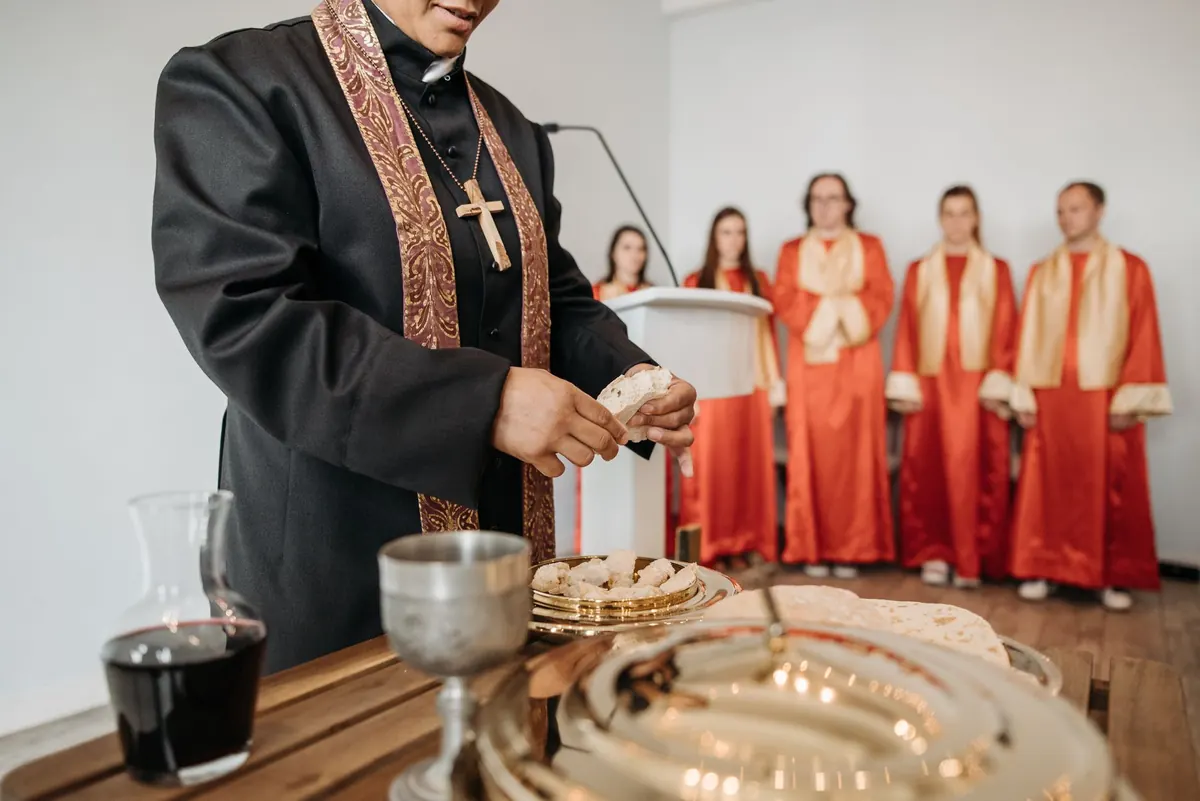
The bread is already on the table. The cups are poured. The band is on the last chorus, and you have about ninety seconds to decide what you are going to say. Communion rarely falls apart in dramatic ways. It goes flat in small ones: crackers that shatter into dust, an invitation thrown together on the walk to the front, a leader whose mind is still on the closing line of the sermon. Preparation is not a lack of faith. It is one of the ways we honor the moment. Here is a checklist to work through in the week before you lead.
Paul tells the Corinthians to examine themselves before eating the bread and drinking the cup. That instruction lands on the person standing at the front first. Before you plan anything, sit with the questions you would rather skip.
Do this earlier in the week, not in the ten minutes before the service. If you are carrying an unresolved conflict with someone who will be sitting three rows back, make the phone call. You will not fix everything before Sunday, and you are not supposed to. The point is that you are not pretending.
Count what you have and consider who is coming. A holiday service, a baptism, or a funeral can double your usual attendance, and the trays that served thirty people last month will not cover ninety. Walk to the closet and open them. Taste the bread. If it is the kind that turns to gravel in your mouth, buy a fresh loaf this week. The same goes for the cup: check the dates, check the seals, and decide now whether you will offer a gluten-free option, a non-alcoholic option, or both.
Trays that smell faintly of last month's juice. A single gluten-free cracker no one knows about because nobody was told. An usher who is not sure whether the balcony gets served. These are not theological problems, but they communicate something about how seriously we take the meal.
Then confirm your volunteers. Ask who is setting up and who is cleaning up, and confirm both by Friday rather than Sunday morning. The person who pours is rarely the person who washes.
Pick your passage during the week. First Corinthians 11, Luke 22, and Exodus 12 are all worth returning to, and each one shapes the moment differently. Read your text aloud at home, twice, slowly. Decide whether you will read it or hand it to someone else, and tell that person early enough that they can practice it too.
Write your invitation down. Two sentences is plenty. Something like, “This is the body of Christ, given for you. Come and eat.” Then resist the urge to add a third paragraph. Improvising theology at the table is how leaders end up saying things they have to walk back on Monday. Keep your explanation consistent with what your church actually teaches.
If you lead once a month, vary your language so it does not become wallpaper. If you lead every week, consider what a congregation gains from hearing the same words in the same order. Predictable language can become a rhythm people lean on when they have no words of their own.
Decide how people will receive and then say it plainly. Come forward, or be served where you sit? Tell the ushers and tell the congregation. Check that the aisle is wide enough for walkers and wheelchairs. Make sure someone is assigned to serve those who cannot come forward, and that they know who those people are.
Think about the children in the room. They will watch what you do with your hands and hear what you say about the bread. A short sentence explaining what is happening does more good than a long one.
Finally, plan for the leftovers. On Sunday afternoon, a small team can take the remaining elements to members who are homebound, in the hospital, or in care. It is one of the better uses of an afternoon.
Agree with your musicians on a clear cue, and give them a way to signal back if something changes. Build in thirty to sixty seconds of silence. Most congregations are starved of silence and will settle into it faster than you expect.
Know what happens afterward: a final song, a benediction, a dismissal. And prepare for the interruptions you cannot schedule. Someone will weep. A child will ask a loud question. A tray will tip. Brief your volunteers so that the moment can absorb these things without dissolving into confusion.
You will forget a line. Someone will spill something on the carpet. The bread may be ordinary sandwich loaf because the store was closed. None of that empties the table of its meaning. The Supper is not a test of your competence; it is a gift Christ gives to his people, and he is fully able to feed them through a leader who stumbled over the words.
So do the work in the week, then loosen your grip on it. Get to bed on Saturday night. Arrive early. Say the words you prepared. Serve the bread and the cup. Then sit down and receive with everyone else, because you need this meal as much as they do. The table belongs to him, not to you.
Photo: Pavel Danilyuk / Pexels

Reflections on faith, hope, and the cross.
Copyright © 2026 The Cross Journal. All rights reserved. The Cross Journal.