October 07, 2026


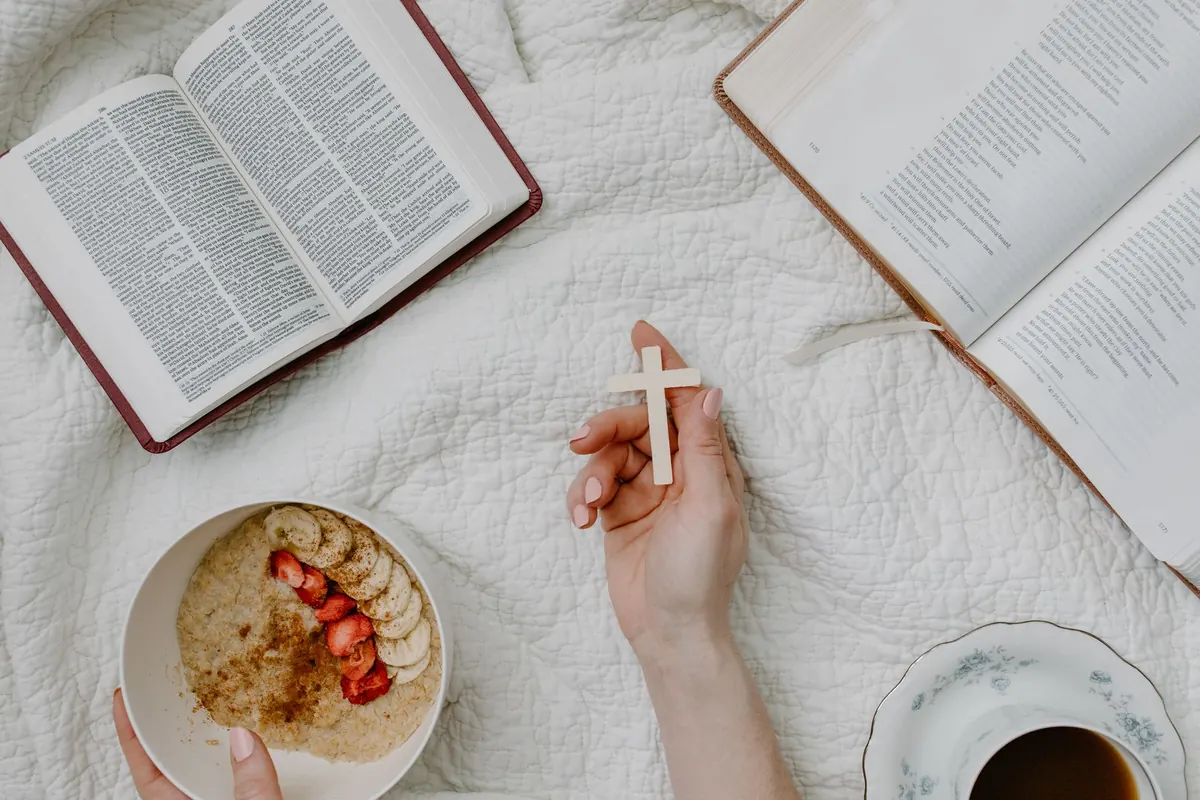
Most Bibles are not abandoned in a crisis of doubt. They are set down on a busy Tuesday, then a Wednesday, and before long they sit on the shelf beside the year's other good intentions. The problem is rarely desire. It is the size of the promise. Decide to spend an hour a day in Scripture when you have never managed twenty minutes, and you have built failure into the plan before you begin.
Fifteen minutes is a different kind of promise. It is small enough to keep on a bad day, and steady enough to change how you think over the course of a year. What follows is a routine you can start tonight, without a new app, a study guide, or a personality transplant.
For most readers, a chapter of the New Testament takes a few minutes. So does a psalm. A focused quarter of an hour is enough to read a passage, sit with one line of it, and pray. That does not sound dramatic, but a chapter a day, five days a week, carries you through the entire New Testament in under a year — with time left over.
The greater benefit is not volume. It is familiarity. After a few weeks of the same routine, the language of Scripture starts showing up in your thinking, the way a song you have heard often surfaces without effort.
A new habit survives by attaching itself to an old one. Do not choose the time you wish you were free. Choose the time that already has a shape: with your first cup of coffee, on your lunch break with the door closed, or after the children are in bed and the kitchen is quiet.
Three anchors that work well:
Same time, same chair, same table if you can manage it. The room becomes a signal to your own attention.
Structure is what keeps fifteen minutes from dissolving. This pattern is not sacred, but it works:
Fifteen minutes rarely feels like enough, and that is fine. Ending hungry is better than ending resentful.
Many beginners start a read-the-Bible-in-a-year plan on January 1 and hit Leviticus in February with the enthusiasm of a wet Monday. Choose something with momentum instead.
Finish the book before you start another. The satisfaction of completing something is part of what makes the habit stick.
Your word is a lamp to my feet and a light to my path. — Psalm 119:105
A cheap notebook does more for your reading than a shelf of commentaries. Date each entry, write the passage, then answer two questions: What does this show me about God? and What does this ask of me? One or two sentences each. No essays.
This is the part that turns reading into study. Writing forces you to slow down enough to notice what you would otherwise skim past, and it leaves a record you can return to. After six months, those pages will tell you more about what God has been doing in your life than any diary you could have written on your own.
Missing one day is normal. Missing two weeks is how habits die. The rule that saves the routine is simple: never miss twice. Do not try to make up lost ground by reading four chapters the next morning; that turns Scripture into a debt and makes it feel like homework.
On the hardest days, lower the bar instead of abandoning it. Read one verse. That is a legitimate day. The point is to keep the appointment, not to perform. If you are dealing with grief, illness, or an unusually heavy season, fifteen minutes may be too much for a while. Ten minutes of a psalm, or listening to a passage while you rest, still counts. Be honest with yourself, and be gentle.
Put the Bible on the table before you go to bed. Choose the book you will start — Mark, or Psalms, or Philippians. Set the notebook beside it. Decide now where you will be at that time tomorrow, and put the first fifteen minutes in your calendar like any other appointment.
Then say the short prayer and read the first chapter. You will not feel transformed by Friday. But in a month you will notice you are reaching for it without deciding to, and in a year you will have read more of the Bible than you thought took a lifetime. Fifteen minutes, kept daily, is not a small ambition. It is a quiet, ordinary way of building a life on Scripture.
Photo: Tara Winstead / Pexels
Reflections on faith, hope, and the cross.
Copyright © 2026 The Cross Journal. All rights reserved. The Cross Journal.