October 07, 2026


Two people open the same Bible passage. One reads three verses slowly, repeats a phrase, and sits in silence. The other reads the whole chapter with a notebook, marking repeated words and asking what the original audience would have heard. Both are doing something faithful. They are just asking different questions.
Lectio divina and inductive Bible study are not rivals. They are tools for different jobs. One forms your heart through prayerful attention. The other forms your mind through careful observation. Knowing which one fits your goal, your available time, and your group setting can save you from frustration—and from the quiet guilt of thinking you are “doing it wrong.”
Lectio divina is Latin for “divine reading.” It is an ancient practice built on four movements: lectio (read), meditatio (meditate), oratio (pray), and contemplatio (rest). You choose a short passage—often only a few verses. You read it aloud, slowly. You notice a word or phrase that catches your attention. You repeat it. You ask God what He wants you to hear. You pray it back. Then you sit quietly, without demanding a result.
The goal is communion, not information. You are not trying to master the text. You are letting the text master you. A typical session takes 15 to 30 minutes. It works best alone or in a small group where silence is comfortable. It fits mornings, retreats, seasons of grief, and times when your soul feels dry. It does not fit a debate about Greek grammar or a hurried lunch break. If you try to do lectio on a whole chapter, you will rush and miss the point. Keep it short. Stay there.
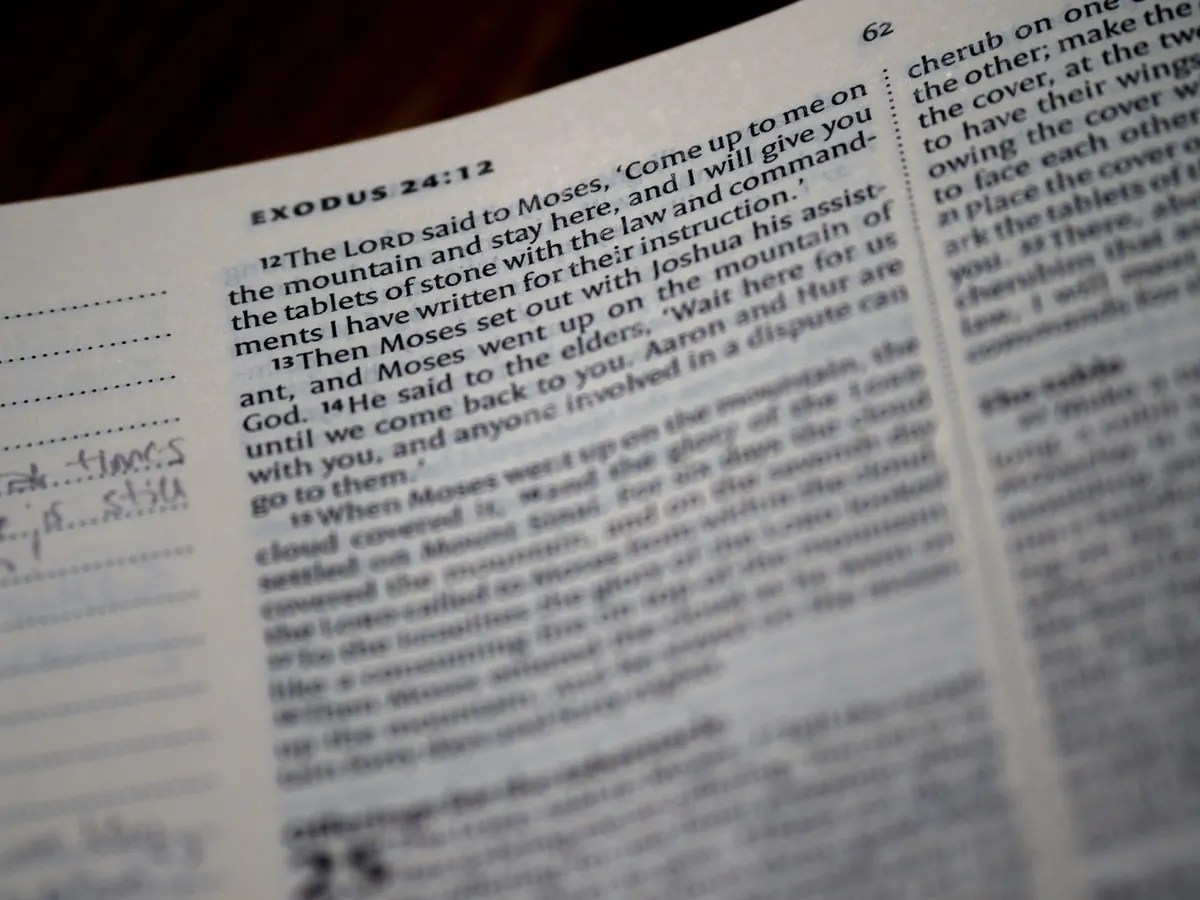
Inductive Bible study begins with observation. You ask who is speaking, who is listening, and what comes before and after the passage. You look for repeated words, commands, contrasts, and cause-and-effect. Then you move to interpretation: what did this mean to the first readers? Then application: what does it mean for me today? The classic three steps are observation, interpretation, and application.
You might use a notebook, colored pens, cross-references, or a concordance. The goal is comprehension and correct application. A focused session can take 30 to 60 minutes for a paragraph or a chapter. It works well in groups because everyone can share observations and test conclusions. It is excellent for teaching, preaching, and personal discernment. It can feel dry if you never move from analysis to prayer. But it protects you from reading your own ideas into the text. When a passage is confusing or misused, inductive study is the steady path forward.
Here is a plain comparison:
Ask yourself a few honest questions. Are you anxious and longing to hear God’s voice? Lectio may be the better fit. Are you confused about a passage or preparing to teach it? Inductive study will serve you. Are you new to the Bible? Inductive gives you a framework. Are you burned out by information and commentary? Lectio offers rest.
You do not have to pick one forever. Many Christians use both: inductive study on weekdays and lectio on Sunday afternoons. Others do lectio in the morning and inductive in a small group. If you have ten minutes, lectio is more realistic. If you have an hour and a notebook, inductive rewards the time. If your group argues about opinions, inductive’s structure helps. If your group shares too much and listens too little, lectio’s short text and silence can heal the room.
The best method is the one that helps you meet God and obey Him. Lectio divina forms your heart. Inductive study forms your mind. You need both, but not at the same time. If you tend to daydream, start with inductive. If you tend to dry analysis, start with lectio. If you lead a group, name the goal before you begin: “Tonight we are listening” or “Tonight we are digging.” That single sentence prevents most frustration.
Pick one method for the next seven days. Keep it small. Show up. Let the text do its work. Then, when the season changes, try the other. You are not choosing a team. You are learning to read with your whole self—mind, heart, and will.
Photo: Brett Jordan / Pexels
Reflections on faith, hope, and the cross.
Copyright © 2026 The Cross Journal. All rights reserved. The Cross Journal.